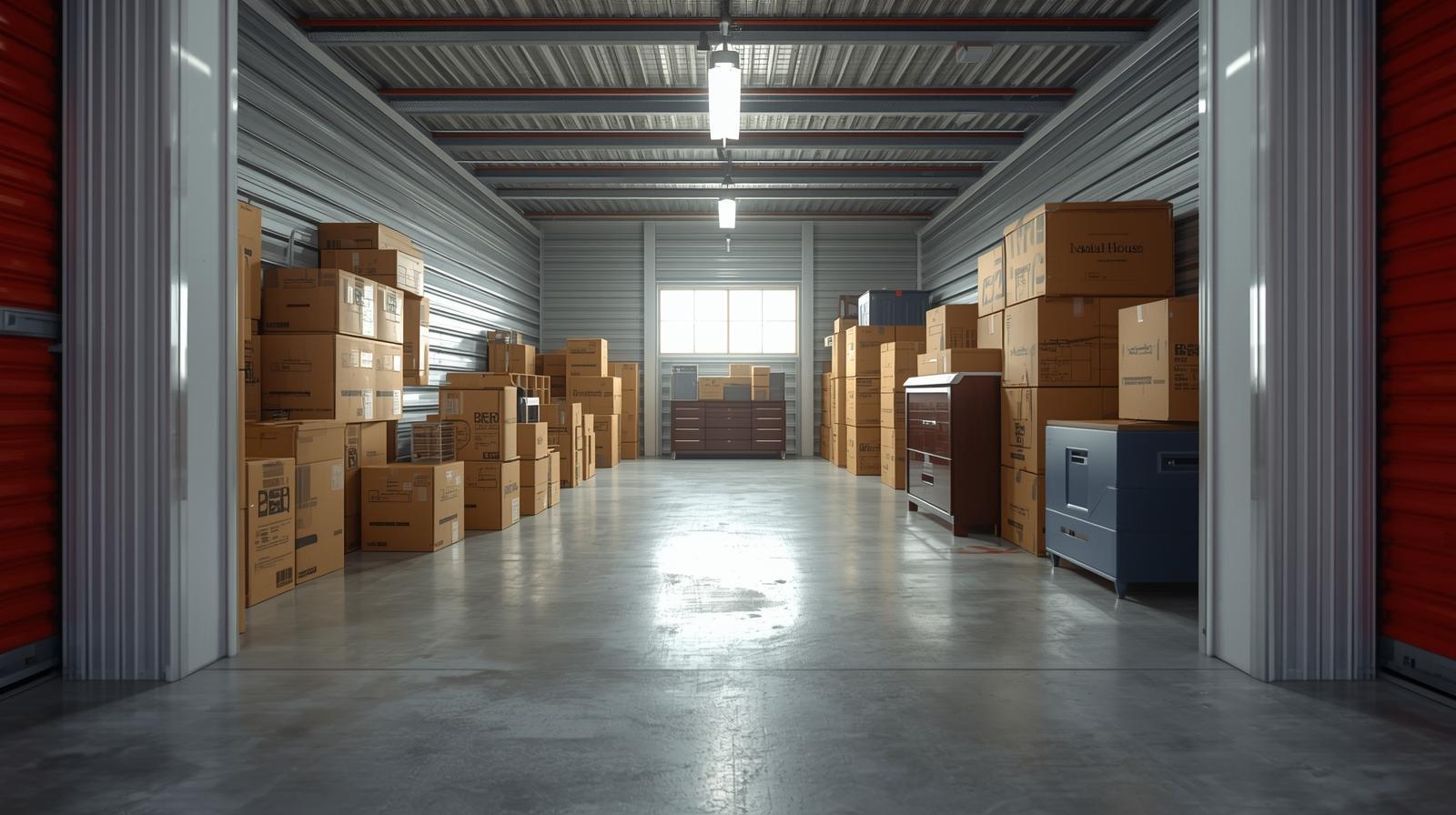
Choosing a storage unit sounds straightforward until you start looking at dimensions. A 5x10, 10x10, or 10x20 might make sense on paper, but it's difficult to picture how your sofa, mattress, appliances, boxes, bicycles, and other belongings will actually fit. Choosing too little space can leave you scrambling on moving day, while renting far more than you need means paying for unused room.
If you're comparing storage units near Cedar Lake, IN, start by thinking about what you're storing rather than immediately choosing a unit size. Make a rough inventory, measure your largest belongings, and consider whether everything will remain stored until your next move or whether you'll need regular access. Those details can help you choose a practical unit without unnecessarily sizing up.
Before comparing dimensions, walk through your home and make a basic list of what will actually go into storage. You don't need to count every book or kitchen item individually. Instead, group your belongings into categories such as furniture, appliances, boxes, outdoor equipment, seasonal decorations, and business supplies.
Moving is also a good opportunity to decide what is worth keeping before paying to store it. The Lake County Solid Waste Management District provides local information about recycling, household waste, and disposal options for Lake County residents. Sorting out belongings you no longer need before move-in may reduce the amount of storage space you ultimately need.
Pay particular attention to large items because they usually determine how much floor space you'll need. Measure sofas, mattresses, dining tables, appliances, dressers, shelving, and other bulky pieces. You may discover that certain furniture can be disassembled, which could allow everything to fit into a smaller unit.
A 5x5 storage unit provides approximately 25 square feet of floor space. It helps to think of this size as an extra closet rather than a room for storing an entire home's contents. It can work well when you need to clear some clutter without moving large amounts of furniture.
Depending on the size and shape of your belongings, a 5x5 may hold boxes, seasonal decorations, clothing, luggage, books, small furniture, sports equipment, and household supplies. Vertical space becomes particularly important in a smaller unit, so sturdy containers that can be safely stacked are useful. Keep anything you expect to retrieve regularly near the entrance.
A 5x10 provides roughly 50 square feet of floor space, giving you more flexibility for furniture and boxes. It may work for belongings from a studio or small apartment, though how much you can fit depends heavily on your furniture size.
A mattress set, dresser, chairs, small tables, bicycles, boxes, and other household belongings may fit when they're arranged efficiently. Disassembling bed frames, tables, and shelving can help make better use of the available space. Keep screws and other hardware in labeled bags attached to the corresponding furniture so you can find everything when it's time to reassemble it.
A 10x10 storage unit provides approximately 100 square feet of floor space. Its wider layout can make organizing furniture and boxes easier than working with a narrow unit, particularly when you're storing belongings from several rooms.
Depending on the size of your furniture and how efficiently you pack, a 10x10 may accommodate sofas, mattresses, bedroom furniture, dining furniture, appliances, televisions, and moving boxes. It can also provide useful overflow space during a renovation or downsizing project. If you'll visit regularly, avoid filling every inch and leave yourself enough room to reach belongings toward the back.
A 10x15 unit provides approximately 150 square feet of floor space and may be useful when you're storing furniture from several rooms. The additional space can accommodate larger furniture collections, appliances, mattresses, boxes, outdoor equipment, and other household belongings.
This size may also make sense when you're moving but don't know exactly what will fit into the new home. Rather than selling furniture before you've had a chance to plan the new space, you can keep some pieces stored temporarily. Once you've settled in, you can decide what belongs in the house and what you're ready to sell, donate, or give away.
At approximately 200 square feet of floor space, a 10x20 gives you considerably more room. This size can be useful for larger household moves, extensive furniture collections, business inventory, equipment, or situations where you need storage capacity while still maintaining an organized layout.
A 10x20 may accommodate multiple bedroom sets, living room furniture, dining furniture, appliances, mattresses, shelving, and numerous moving boxes, depending on their dimensions. However, don't automatically choose a large unit simply because you're moving from a larger home. If you're decluttering before the move, you may need considerably less storage than your current home's size would suggest.
Storage needs can look different depending on whether you're renting for six weeks or several years. During a short move, you may be comfortable packing a unit fairly tightly because you know everything will come out again soon. Long-term storage usually benefits from more careful organization.
If you're keeping belongings stored for an extended period, consider leaving a walkway and organizing items into sections. Label boxes on multiple sides and keep frequently used belongings closer to the entrance. It's also worth reviewing how your belongings are insured; the Indiana Department of Insurance provides information about self-storage insurance and how this coverage applies to personal property kept in a storage space.
A little extra planning can make long-term storage much easier to manage. Leaving enough room to access your belongings means you won't have to move an entire wall of furniture or boxes just to retrieve one item.
Unit size isn't the only decision you'll need to make. The type of storage environment may also matter depending on what you're putting away and how long it will remain stored.
Furniture, electronics, photographs, documents, books, artwork, leather goods, and other sensitive belongings may benefit from a more stable environment. If you're storing these types of items, climate-controlled storage near Crown Point, IN may be worth considering. Follow manufacturer recommendations for electronics, appliances, musical instruments, and other specialized belongings whenever possible.
Regardless of the storage type you choose, make sure belongings are clean and completely dry before packing them away. Climate control doesn't replace careful preparation and proper packing.
Moving is one of the most common times when you discover you need extra space. Closing dates don't always line up, renovations may run behind schedule, and downsizing can leave you with furniture you're not ready to part with. A storage unit can provide some breathing room while you work out what belongs in your new home.
If you're moving to Crown Point, IN, learning about the area before moving day can make settling in easier. Crown Point serves as the county seat of Lake County, with county government offices located along North Main Street. Lake County's official website provides access to county services, public records, property information, local government resources, and other information that can be useful after a move.
Instead of trying to unpack your entire household immediately, focus first on the rooms you need every day. Bedrooms, bathrooms, and the kitchen can come first, while seasonal belongings and less frequently used furniture remain stored until you're ready for them.
One mistake people make is choosing the smallest unit that can theoretically hold everything. While that may work when you're storing belongings until a single move-out date, it can become frustrating if you plan to visit regularly.
Imagine needing a box of holiday decorations that's sitting behind a sofa, mattress, dresser, and several rows of containers. Technically, everything fits, but the unit isn't particularly functional. Renting enough room for a narrow walkway may be worthwhile if you'll need regular access.
Think about the order in which you're likely to need things. Long-term storage items can go toward the back, while seasonal belongings, business supplies, and frequently used equipment should remain closer to the door.
There isn't one storage unit size that works for everyone. A 5x5 can provide useful space for boxes and seasonal belongings, while a 5x10 offers more room for smaller furniture. A 10x10 provides approximately 100 square feet, and larger 10x15 or 10x20 units may make more sense when you're storing furniture from several rooms or managing a larger move.
Start by creating an inventory and measuring your largest belongings. Then consider how long you'll be storing everything, how often you'll need access, and whether sensitive items would benefit from climate-controlled storage. The best unit isn't necessarily the smallest one you can squeeze everything into, but the one that gives you enough room to keep your belongings organized and accessible.
Whether you're preparing for a move, downsizing, renovating, or simply trying to reclaim space at home, storage near Cedar Lake, IN can give you additional room for belongings you don't need every day. Choosing the right size from the beginning can make move-in easier and help ensure you're paying for space you'll actually use.
